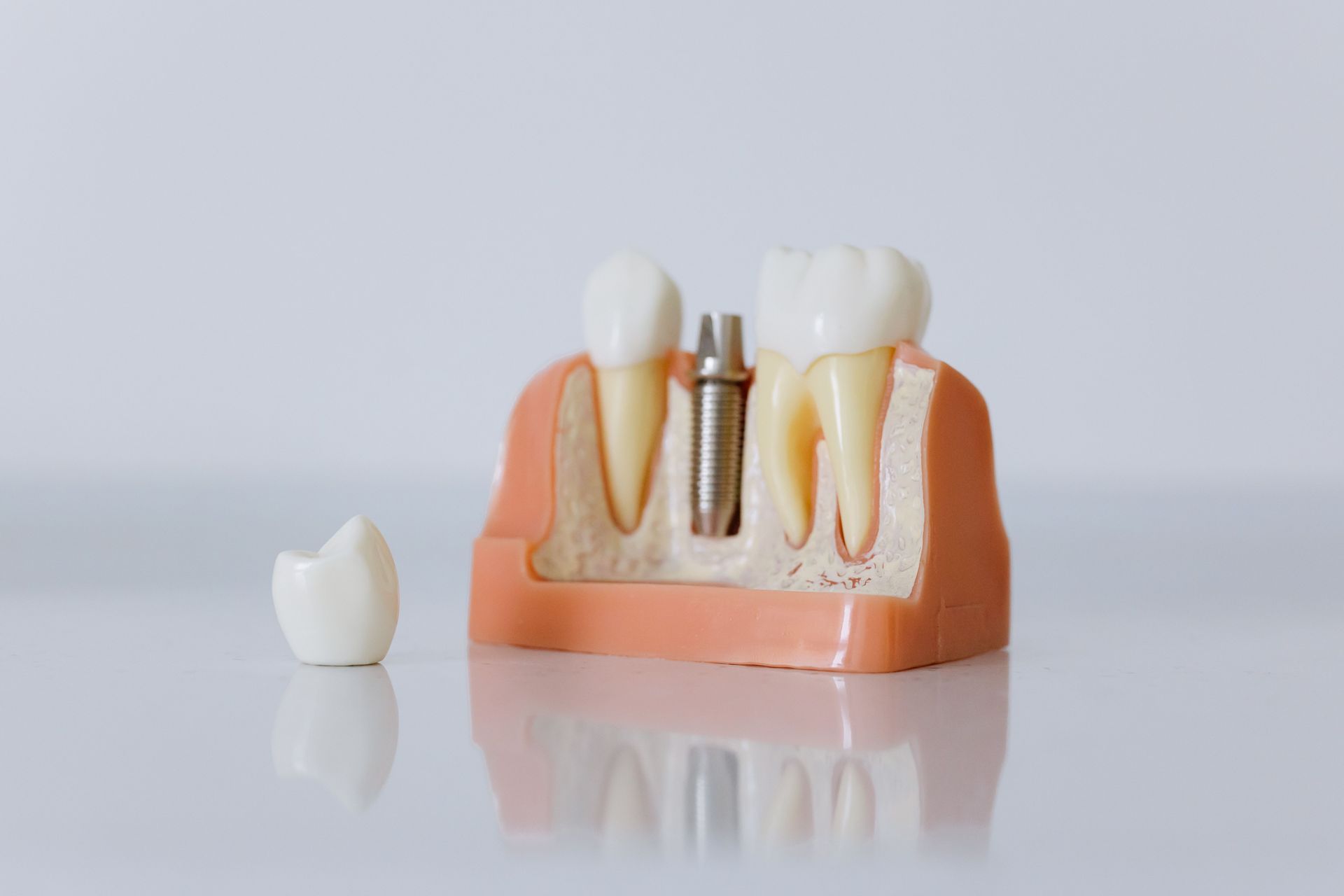
Can a Root Canal Treatment Save My Teeth? Insights from an Alice Springs Dentist
Maintaining good oral health is essential for a comfortable and fulfilling life. While many aspects of dental care focus on prevention and maintenance, sometimes dental issues can become more serious, requiring advanced treatments like root canal therapy.
As a dentist in Alice Springs, I often encounter patients who have concerns about the effectiveness and necessity of root canal treatments. In this article, we will explore the topic in detail, discussing what a root canal treatment entails, when it is necessary, its success rates, and how it can save your teeth.
Understanding Root Canal Treatment
A root canal treatment, also known as endodontic therapy, is a dental procedure aimed at saving a severely damaged or infected tooth. It involves removing the damaged or infected pulp (the innermost part of the tooth) and cleaning, disinfecting, and sealing the tooth's interior to prevent further infection. Root canal treatments are commonly performed to address issues such as:
Tooth Infections: Bacterial infections can penetrate the tooth's pulp, leading to inflammation and pain. A root canal can help remove the infected tissue and alleviate discomfort.
Deep Decay: Extensive tooth decay that reaches the pulp can necessitate a root canal to preserve the tooth's structure.
Trauma: A severe blow or injury to a tooth can damage the pulp, making a root canal treatment necessary.
Cracks or Fractures: A cracked or fractured tooth can allow bacteria to enter the pulp, leading to infection and pain.
The Root Canal Procedure
Diagnosis: The dentist will first conduct a thorough examination, including X-rays, to assess the extent of the damage or infection and determine whether a root canal is necessary.
Local Anesthesia: To ensure your comfort during the procedure, the dentist will administer a local anesthetic to numb the affected tooth and surrounding area.
Isolation: A rubber dam is placed around the tooth to keep it dry and free from saliva during the procedure.
Access Opening: The dentist creates a small access hole in the crown of the tooth to reach the pulp chamber and root canals.
Cleaning and Shaping: Special instruments are used to remove the infected or damaged pulp tissue and shape the interior of the tooth's root canals.
Disinfection: The cleaned canals are then disinfected to eliminate any remaining bacteria.
Filling and Sealing: After thorough cleaning and disinfection, the canals are filled with a biocompatible material (usually gutta-percha) to seal them and prevent future infection. The access opening is also sealed with a dental restoration, such as a crown, to restore the tooth's strength and function.
Success Rates of Root Canal Treatment
One of the most common questions patients ask is whether a root canal treatment can save their teeth successfully. The answer is a resounding yes. Root canal treatments have a high success rate, with many patients experiencing long-term relief from pain and preserving their natural teeth. Several factors contribute to the success of this procedure:
Expertise of the Dentist: Choosing an experienced and skilled dentist is crucial to the success of a root canal treatment. Dentists with specialized training in endodontics have the knowledge and precision necessary to perform the procedure effectively.
Proper Diagnosis: An accurate diagnosis is essential to identify the source of the problem and ensure the appropriate treatment plan. Modern diagnostic tools, such as digital X-rays and advanced imaging techniques, aid in this process.
Thorough Cleaning and Disinfection: Ensuring that all infected or damaged tissue is removed and the canals are properly disinfected minimizes the risk of reinfection.
High-Quality Materials: The use of high-quality materials for filling and sealing the canals helps maintain the integrity of the tooth over time.
Follow-Up Care: Patients must follow their dentist's post-treatment care instructions, which often involve good oral hygiene practices and regular check-ups to monitor the tooth's health.
Benefits of Saving Your Natural Teeth
Preserving your natural teeth through a successful root canal treatment offers numerous benefits:
Improved Comfort: Relief from the pain and discomfort associated with dental infections or damage is often immediate and long-lasting.
Functionality: Restoring a tooth through a root canal allows you to maintain proper biting and chewing function, preventing difficulties with eating.
Aesthetics: Preserving natural teeth maintains your smile's appearance, preventing the need for dental prosthetics or implants.
Cost-Effective: Root canal treatment is typically more cost-effective than tooth extraction followed by tooth replacement options like dental implants or bridges.
Maintaining Jaw Health: Preserving your natural teeth helps maintain the integrity of your jawbone, preventing bone loss that can occur after tooth extraction.
Alternatives to Root Canal Treatment
In some cases, when a tooth is severely damaged or infected, a dentist may recommend alternative treatments. These alternatives typically involve extracting the affected tooth and considering replacement options, such as dental implants, bridges, or dentures. However, it's essential to understand that preserving your natural teeth whenever possible is usually the preferred course of action.
Extraction may be considered in the following situations:
Irreparable Damage: If the tooth is severely fractured or damaged beyond repair, it may not be salvageable through a root canal.
Advanced Gum Disease: In cases where gum disease has progressed significantly and jeopardized the tooth's support structure, extraction may be necessary.
Cost and Patient Preference: Some patients may opt for extraction due to financial constraints, personal preference, or a desire for a quicker solution.
Conclusion
In summary, a root canal treatment is a highly effective and successful dental procedure aimed at saving teeth that have been severely damaged or infected. When performed by an experienced dentist in Alice Springs, this treatment can provide long-term relief from pain and preserve your natural teeth, offering numerous advantages over tooth extraction and replacement options.
If you are experiencing dental pain, discomfort, or suspect an infection, it is crucial to seek prompt dental care. Early intervention can often prevent the need for more extensive treatments like root canals. Remember that maintaining good oral hygiene through regular dental check-ups and preventive measures remains the best way to ensure your teeth's long-term health and well-being.