Common Causes of Bad Breath and How to Prevent It
Bad breath, also known as halitosis, is a common oral health concern that can affect anyone, regardless of age or gender.
Living in Alice Springs, with its unique climate and lifestyle, means that maintaining good oral hygiene is crucial in preventing bad breath.
By understanding the root causes and implementing preventive measures, you can enjoy fresh and confident breath year-round.
- Poor Oral Hygiene
One of the leading causes of bad breath is inadequate oral hygiene. When you don't brush and floss your teeth regularly, food particles and bacteria accumulate in your mouth, leading to the production of foul-smelling compounds. To combat this:
a. Brush Your Teeth: Brush your teeth at least twice a day, preferably in the morning and before bedtime, using fluoride toothpaste. Pay close attention to all tooth surfaces, including the front, back, and chewing surfaces.
b. Floss Daily: Flossing helps remove food particles and plaque from between your teeth and along the gumline. Make it a daily habit to ensure your breath stays fresh.
c. Use Mouthwash: Antiseptic mouthwashes can kill bacteria and temporarily freshen your breath. However, they should not replace proper brushing and flossing.
- Dental Problems
Various dental issues can contribute to bad breath. These include:
a. Tooth Decay: Cavities can trap food particles and bacteria, causing an unpleasant odor. Regular dental check-ups can catch and treat cavities before they worsen.
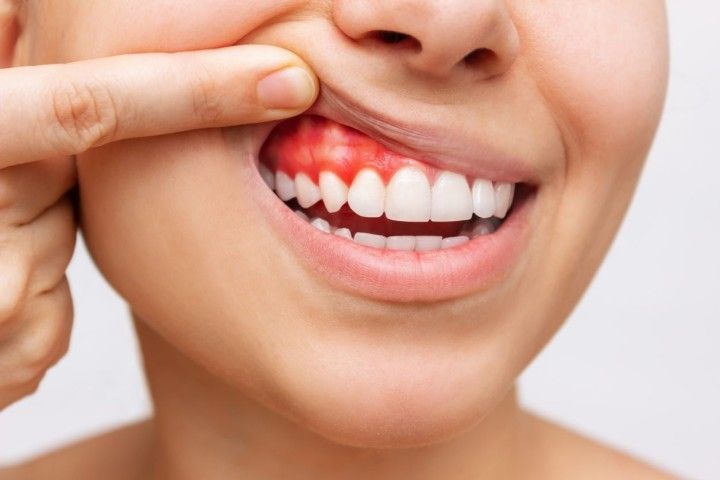
b. Gum Disease: Periodontal disease, characterized by swollen and bleeding gums, can lead to bad breath. Good oral hygiene and professional dental cleanings are essential for preventing and treating gum disease.
c. Dental Infections: Infections in the teeth or gums, such as abscesses, can produce foul-smelling discharge and contribute to bad breath. Prompt dental care is crucial to address these issues.
d. Dry Mouth (Xerostomia): A lack of saliva can lead to bad breath because saliva helps cleanse the mouth and neutralize acids. Some medications, medical conditions, or simply not drinking enough water can cause dry mouth.
- Diet and Lifestyle Factors
The food you eat and your daily habits can significantly impact your breath. Common culprits include:
a. Strong-Smelling Foods: Foods like garlic, onions, and certain spices contain sulfur compounds that can linger in the mouth and cause bad breath. While you don't have to avoid these foods altogether, you can mitigate their effects by brushing and flossing after meals.
b. Tobacco Use: Smoking or chewing tobacco not only leads to bad breath but also increases the risk of gum disease and oral cancer. Quitting tobacco is one of the best things you can do for your oral and overall health.
c. Alcohol and Coffee: These beverages can contribute to dry mouth and bad breath. Try to consume them in moderation and drink plenty of water to stay hydrated.
d. Low-Carb Diets: Ketogenic and low-carb diets can lead to a fruity-smelling breath due to the production of ketones. Staying hydrated and maintaining proper oral hygiene can help mitigate this effect.
- Health Conditions
Certain medical conditions can be associated with bad breath. While addressing the underlying health issue is crucial, maintaining good oral hygiene can help manage bad breath symptoms. Conditions that may contribute to halitosis include:
a. Respiratory Infections: Infections in the respiratory tract, such as sinusitis, bronchitis, or tonsillitis, can lead to bad breath. Treating the infection often resolves the issue.
b. Gastrointestinal Issues: Acid reflux, GERD, and other gastrointestinal problems can cause stomach acids to enter the mouth, leading to bad breath. Managing these conditions through medication and dietary changes can help.
c. Diabetes: Uncontrolled diabetes can lead to high blood sugar levels and a fruity or sweet-smelling breath. Proper diabetes management is crucial for overall health and reducing bad breath.
d. Liver or Kidney Disease: These conditions can cause chemicals to accumulate in the body, leading to an unusual breath odor. Treating the underlying condition is essential.
- Dentures and Oral Appliances
If you wear dentures or other oral appliances, they may contribute to bad breath if not properly cleaned. Bacteria can accumulate on these surfaces, leading to odor. To prevent this, clean your dentures or appliances as recommended by your dentist and practice good oral hygiene for your remaining natural teeth.
- Stress and Anxiety
Stress and anxiety can lead to dry mouth, which can, in turn, cause bad breath. Managing stress through relaxation techniques and staying hydrated can help alleviate this issue.
- Medications
Certain medications, including antihistamines, diuretics, and antidepressants, can reduce saliva production or cause dry mouth as a side effect. If you suspect your medication is causing bad breath, consult your healthcare provider to discuss potential alternatives or solutions.
Preventing Bad Breath in Alice Springs
Living in Alice Springs presents some unique challenges when it comes to preventing bad breath, particularly due to the hot and dry climate. However, with the right approach, you can still maintain fresh breath all year round:
a. Stay Hydrated: The arid climate of Alice Springs can lead to dehydration, which can exacerbate dry mouth and bad breath. Drink plenty of water throughout the day to keep your mouth moist and bacteria at bay.
b. Chew Sugar-Free Gum: Chewing sugar-free gum can stimulate saliva production, helping to combat dry mouth and freshen your breath. Look for gum containing xylitol, which can also help reduce bacteria in the mouth.
c. Use a Humidifier: Consider using a humidifier in your home to add moisture to the air. This can help prevent dry mouth, especially during the dry seasons.
d. Limit Alcohol and Caffeine: While enjoying your favorite drinks is perfectly fine, be mindful of their potential to contribute to dry mouth and bad breath. Balance them with water to stay hydrated.
e. Rinse Your Mouth: After consuming strong-smelling foods, consider rinsing your mouth with water or using an alcohol-free mouthwash to neutralize odors.
f. Regular Dental Check-ups: Make sure to schedule regular dental check-ups with your Alice Springs dentist. They can detect and address any dental issues that may contribute to bad breath and provide professional cleanings to keep your mouth healthy.
g. Quit Smoking: If you smoke, quitting is one of the most effective ways to improve your breath and overall oral health. Seek support and resources to help you quit.
Conclusion
Bad breath is a common concern, but by understanding its underlying causes and taking proactive steps to prevent it, you can maintain fresh breath and confidence.
In Alice Springs, where the climate can pose unique challenges, staying hydrated and practicing good oral hygiene are essential. Remember to consult us for regular check-ups and personalized advice on maintaining optimal oral health.
With these strategies, you can enjoy the stunning landscapes and vibrant culture of
Alice Springs with the confidence of knowing your breath is always at its best.